

MERCEDES BENZ 230SL ROADSTER “JOHN LENNON’S CAR”
$
| Price | $ |
| Make | Mercedes Benz |
| Model | |
| Year | 1965 |
| Mileage | |
| Ext. Color | |
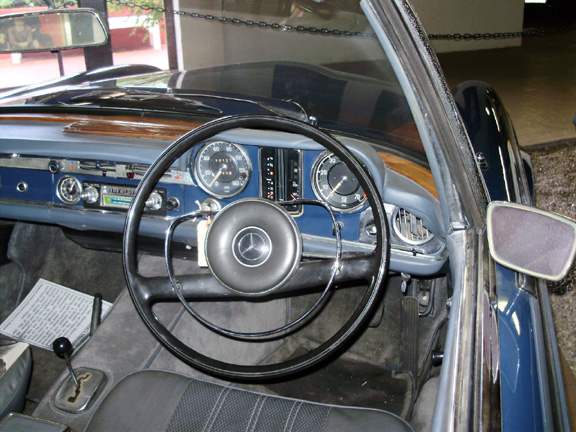
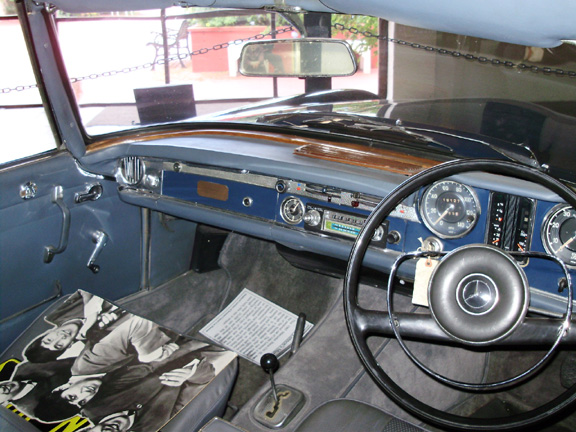
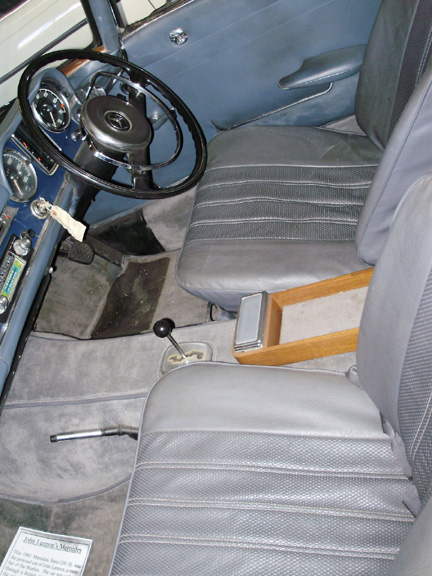
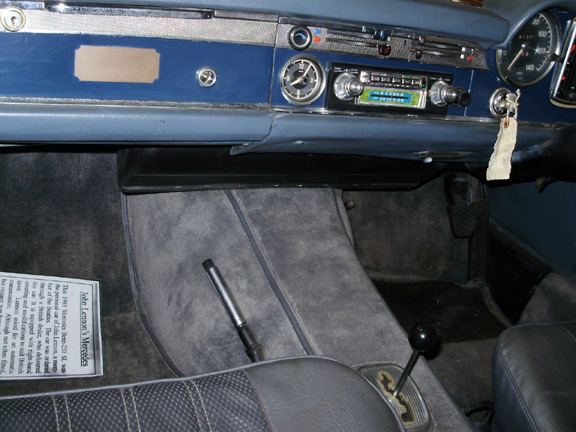
| Int. Color | Gray Mercedes Tex |
| VIN |
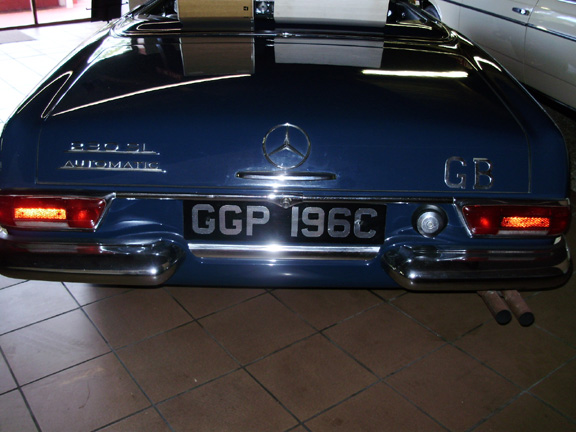
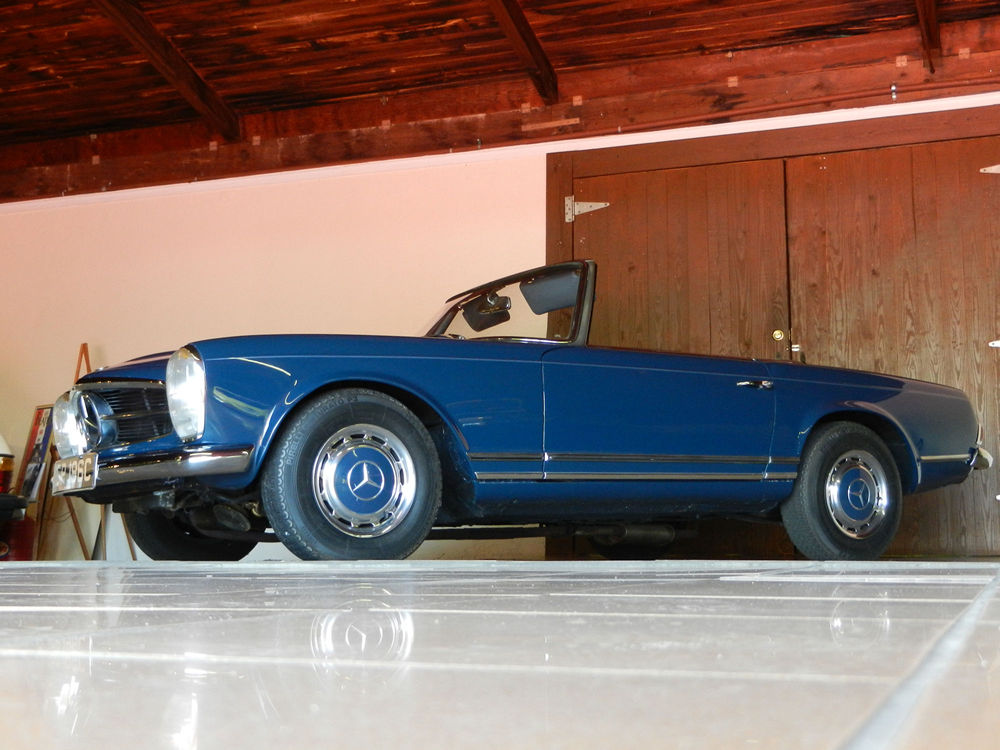
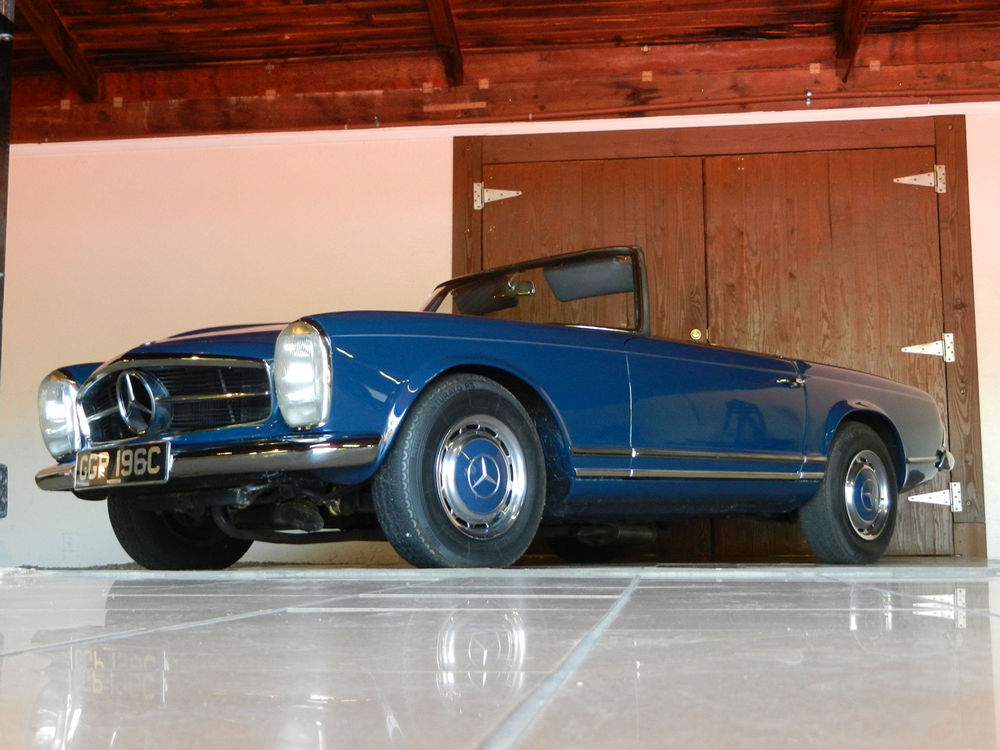
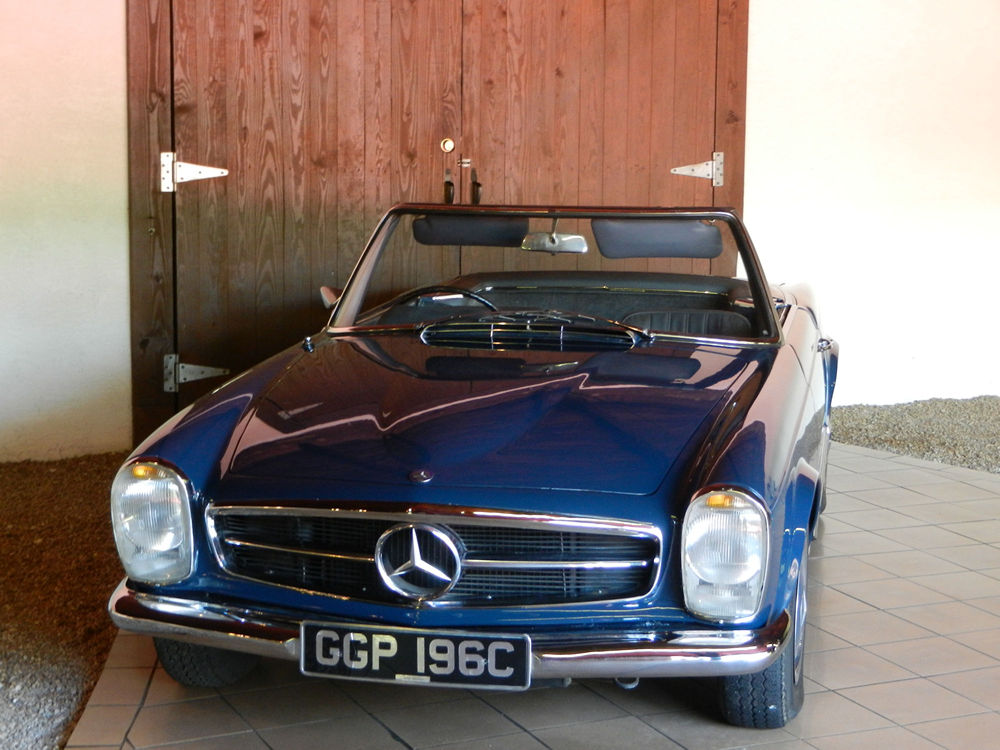
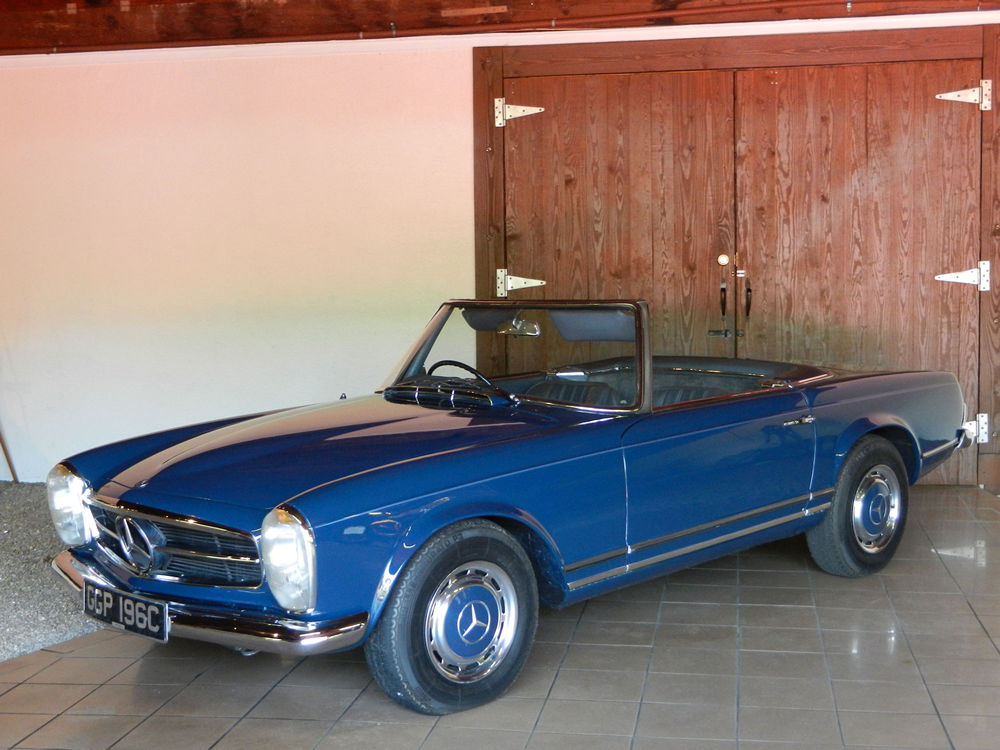
Purchased New by John Lennon of The Beatles
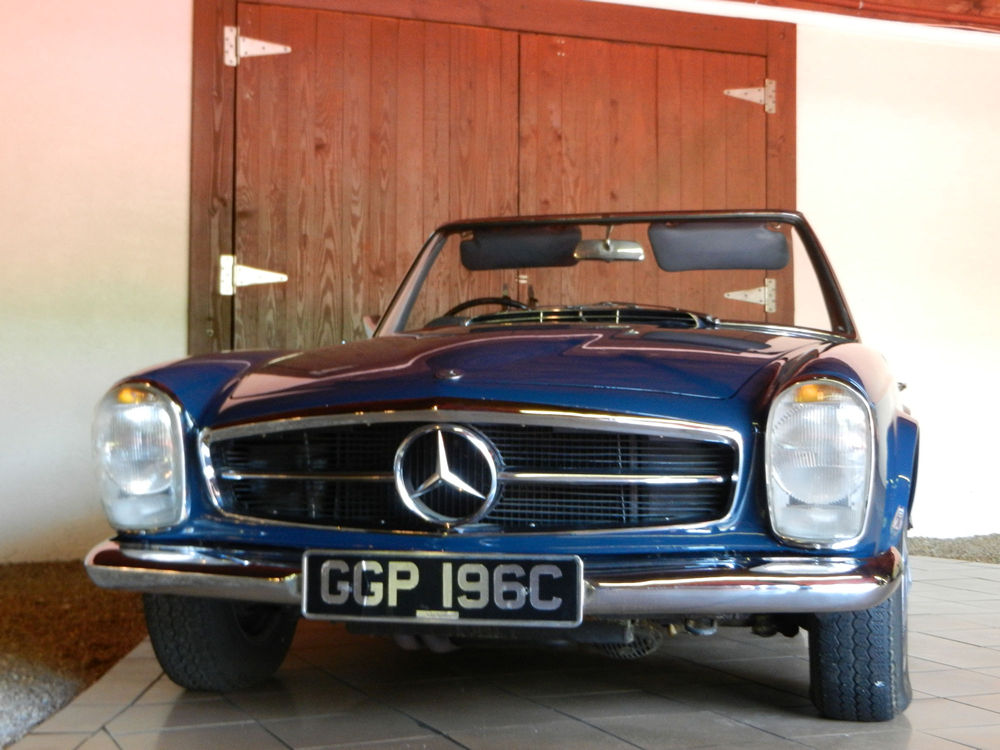
UK Registration #GGP196C with John Lennon Signature
This Car Was Sold New to John Winston Lennon MBE in London, England on August 2, 1965. It Was Special Ordered by John as an Automatic, and Delivered to a British Dealer in England From Germany.
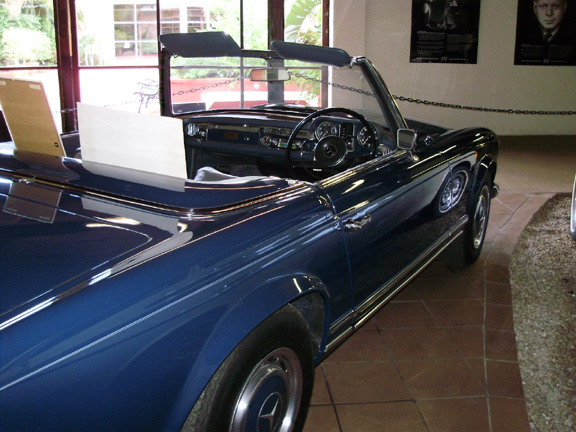
Dark Blue Canvas Top
Dark Blue Hardtop
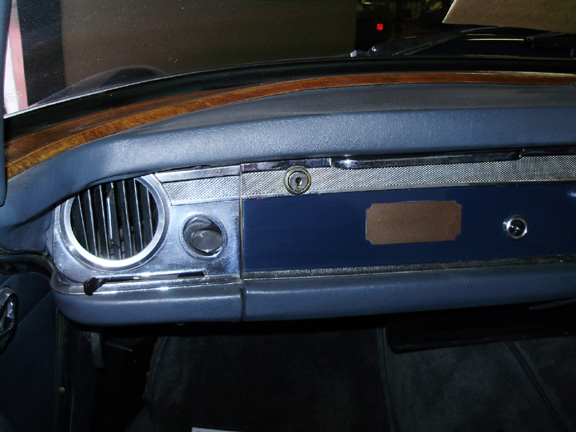
Gray Mercedes Tex Interior
Right Hand Drive
English Style Headlamps
The SL-Class 230SL, a New Design With a 2.3 Six Cylinder Engine, Low Waistline and Big Curved Greenhouse Windows, and a Coupe Roadster Whose Distinctive Roofline Earned The Nickname “Pagoda Top.”
The Mercedes-Benz W 113 Automobiles Were Produced From 1963 Through 1971. They Were Sold as the “Pagoda Roof” SL Class. The W 113 Replaced the W 198 SL-Class in 1963 and Was Replaced by the R107 SL-Class in 1972.
To Be Absolutely Correct, This Model is in Fact a R113 – The R Meaning Roadster. With Regards Mercedes-Benz Automobiles The W Designates Saloon Cars.
All Models Boast an Inline Six-Cylinder Engine With Multi-Port Fuel Injection Using a Mechanical Pump System Adapted From the Diesel Motors. All Are Rear-Wheel Drive, But Are Also Equipped With Independent Rear Suspension, a Feature That Greatly Improved Road Handling. Most of These Early SL’s Were Sold With Both the Removable Hard Top and a Soft Top in The So-Called “Coupe/Roadster” Configuration, But There Was Also a “California Coupe” Version Available That Came With the Removable Hardtop But No Soft Top. In These Models, The Soft Top Well (Between the Passenger Compartment and Trunk) Is Removed, and a Drop-Down Bench Seat is Installed In It’s Place. The Rear Seat is Small and Not Very Useful, So These 2+2 Models are Rare. While the SL’s Are Relatively Heavy Compared to Other Similar Roadsters, Weight Was Reduced in Part by the Use of Aluminum Panels For the Trunk Lid, Front Hood, Tonneau Cover and Door Skins.
230-SL (July, 1963−January, 1967)
Production Began in 1963 With the 2.3 Liter 230-SL. These Models Were Commonly 4-Speed Manual Transmission Cars, But a 4-Speed Automatic Transmission Was Also Available and Popular For U.S. Market Cars. The 230-SL Sported Front Disc / Rear Drum Power-Assisted Brakes. They Quickly Gained Popularity in the U.S. Market, and This Eventually Led to More and More Cars Being Built With Automatic Transmissions. 19,831 Copies of the 230-SL Were Built, of Which 11,726 Cars Were Exported.
European Versus American Specifications
U.S. Export Vehicles. That Is, Cars Brought to the U.S. From Europe Some Years After Original Production. The European-Spec Vehicles Have a Number of Subtle Differences From U.S. Market Cars. The Most Visible Is The Distinctive European ‘Fishbowl’ Headlights Versus U.S. Sealed Beam Bulb Headlights. Somewhat Less Known Is That Some European Cars Were Using Yellow Lenses On The Rear Turn Signals Much Earlier That Were Cars In The U.S. Which Were Required By Law To Use All-Red Tail Lights (U.S. Laws Were Eventually Changed to Allow Yellow Turn Signals). Other Differences Include the Metric Gauges, No Chrome Bumper Guards, More Use of Chrome Throughout The Interior, and, Generally Speaking, No Air Conditioning. Depending On The Market, Many Euro-Spec Cars Were Also Often Equipped With an “Add-On” Red Emergency Flasher, a Safety Requirement For Cars Brought Into The U.S. That Was Not a Standard Feature In The European Market Until Later Production Years.
Mercedes-Benz is a German Manufacturer of Luxury Automobiles, Buses, Coaches, and Trucks. It is Currently a Division of the Parent Company, Daimler AG (Formerly DaimlerChrysler AG), After Previously Being Owned by Daimler-Benz. Mercedes-Benz Has it’s Origins in Karl Benz’s Creation of the First Petrol-Powered Car, The Benz Patent Motor-Wagon, Patented in January 1886, and by Gottlieb Daimler and Engineer Wilhelm Maybach’s Conversion of a Stagecoach by the Addition of a Petrol Engine Later That Year. The Mercedes Automobile Was First Marketed in 1901 by Daimler Motoren Gesellschaft. The First Mercedes-Benz Brand Name Vehicles Were Produced in 1926, Following the Merger of Karl Benz’s and Gottlieb Daimler’s Companies Into the Daimler-Benz Company. Mercedes-Benz Has Introduced Many Technological and Safety Innovations That Have Become Common in Other Vehicles Several Years Later.
Trademark Origins
The Design of The Mercedes-Benz Signature Logo Was Described by the USPTO With Three Aspects, 1) Stars With Three Points (Celestial Bodies, Natural Phenomena, Geographical Maps — Stars, Comets), 2) Garlands, Wreaths, Bands, Borders or Frames Made of Plants (Plants — Decorations Made of Plants), and 3) Circular or Elliptical Seals (Heraldry, Flags, Crowns, Crosses, Arrows, and Symbols — Seals).
Daimler-Benz Elaborates on Their Use of the New Logo and it’s Representations in Their 1928 Application. Based Upon Their Description, it Appears They Combined Design Elements From Each Automobile Company to Create a New Logo Reflecting Each Company’s Legacy. They Stated That the Trademark Was Applied to Goods in Their Business Since October 1926 With the Trademark, “Having Been Used in the Business of the Applicant’s Predecessors and in the Business of Applicant, Continuously Since the Following Dates. The Word Mercedes Since December 1900; the Word Benz Since July 1896; the Representation of a Three-Pointed Star Since 27 June 1909, the Representation of a Wreath of Laurel Since September, 1909.” In Their U.S. Trademark Application, Daimler-Benz Stated That Their Trademark Was Registered in Germany on 28 August 1928 With an Application Date of 21 August 1926.
U.S. Trademark Registration Was Granted on 28 July 1931. Its Current Status is Registered and Renewed With the Latest Owner Listed as Daimler AG of Stuttgart, Germany. Mercedes-Benz is Currently Owned by Daimler AG in Germany.